How to use The Forecaster Interactive

Discover the Truth
about The Forecaster

The Euro crisis, out of control government debt, popping real estate bubble, military conflicts – and one man who predicted it all. The documentary The Forecaster tells the story of Martin Armstrong, whose predictions in the 1980s shook entire economies. When he refused to manipulate the markets, Armstrong became the subject of an unprecedented miscarriage of justice.

The Forecaster Interactive is the online companion to the movie. With exclusive videos, interviews, original documents, and curated news articles, you can dive into the world of Martin Armstrong. Is he a con man or a genius? Using the evidence and source materials in the timeline, you can check Armstrong’s statements and decide for yourself. Are his forecasts right? Use the menu to jump to key moments in the film and the filters to search for specific information and explanations.

Click here to view the introductory video.

Did World War III Start on the Precise Day of the ECM?

Martin Armstrong on his blog about 2015.75 and one particular political decision: “Russia began bombing CIA-trained rebels in Syria precisely on the day of the turn in the Economic Confidence Model. As CNN pointed out, the bombing continues. Now, hundreds of Iranian troops have arrived in Syria to join a major ground offensive in support of President Bashar al-Assad’s government.

Clearly, the civil war in Syria is escalating. We will see this unfold as a proxy war directly between U.S. and Russia with China supporting the Russian side in this game. This conflict is turning regional and global in scope by drawing in the world powers all because the U.S. war machine thinks this is a game. […] This should be of great concern because historically, whatever unfolds on the precise day of the ECM, becomes an important event.” Read the whole article on Martin Armstrongs Blog.

Is Martin Armstrong’s Debt Crisis Upon Us?

Michael McKenna checks on Martin Armstrongs 2015.75 prediction for tradingfloor.com: “It is in this sense that finance belongs to the most antique class of human activities, and it would follow, then, that analysts whose data stores and models extend furthest into the past might have an advantage in extracting future events from past behaviours and the patterns that have contained them.

“You can always find someone who is calling for a crisis around the corner”, says Saxo Bank bond trader Michael Boye; […]. More specifically, however, Boye does state that he agrees in principle with Armstrong’s debt crisis thesis. “What we have done since the financial crisis”, he says, “is move all the debt problems from the balance sheets of individuals, banks, and corporations onto governments on the fiscal side, while massive central bank liquidity injections have kept the system afloat in the monetary side”. Read the whole article at tradingfloor.com.

Watch Martin Armstrong answer some in depth questions in this exclusive Q&A. He explains electronic currency, the future of the Eurozone, the cycles of his ECM model and what he’d suggest young people.

Using just 15% of my full value

Taking advance today of the full value of our work its not a good idea. That's because Art has become such a proffesion that rips Time away from us. more.

Painter, conceptual artist and theorist

Miltos Manetas is a Greek-born painter, conceptual artist and theorist whose work explores the representation and the aesthetics of the information society. Manetas is the Founder of NEEN (the first art movement of the 21st century), a pioneer of art-after-videogames (MACHINIMA) and an instigator of Post-Internet Art. In 2009 he initiated the INTERNET PAVILION for the Venice Biennial, in 2014, in collaboration with Rome's Swiss Institute, he introduced the concept of ÑEWPRESSIONISM. These days he is using DOCUMENTA 14 to develop the concept of MEDIOSUD . According to LEV MANOVICH, Manetas' art can be placed within a well-established tradition in modern painting (representing modern people in their particular modern settings). According to NICOLAS BOURRIAUD Manetas' work belongs to the domain of RELATIONAL AESTHETICS and POSTPRODUCTION

Full Biography

Today the 4424 artist in the world and falling..

COLLEGAMENTI
COLLEGAMENTI

COLLEGAMENTI

Dedicated to William Gibson's "Neuromancer"

“In Milan, Italy”

COLLEGAMENTI INSTALLATION

/header>
»A wall was prepared with stereo sockets mounted on it (I knew nothing about computers yet)«
» A number of "collegamenti" pencil-drawings were drawn directly onto the wall. On the surface of an over-scaled table, some plugs were left «

COLLEGAMENTI PEFRORMANCE

“In Milan, Italy”

DEMENZA
DEMENZA

DEMENZA

"Demenza"

“Demenza, 1990-1994. Each photo, edition of 3, Exhibited at FATTO IN ITALIA, Contemporary Art from Italy, Centre d'Art Contemporain, Geneva,- ICA, London. Published at the catalogue of TRAFFIC, CAPC Museum of Contemporary Art, Bordeaux, FR

Collegamenti, Via Farini

Lunacy, Insanity, Socratic Irony

“In Greek ancient comedy there are two dogs: Eirôn and Alazon. Eiron was a clever underdog who by his wit repeatedly triumphs over the boastful character Alazon. According to Encyclopædia Britannica, the Socratic irony of the Platonic dialogues derives from this comic origin. The Italian word "demenza", (from the Latin dementia deriving from "demens"), translates in English to "insanity" and "lunacy". I believe there exists a certain performative element of the world that can be expressed with a certain lunacy and insanity. In that sense, "demenza" would be better translated as "irony", not the irony of our days but the Socratic irony, an attitude that isn't just limited in the dissimulation of ignorance but becomes- as a matter of fact- a performance.

»Demenza«

more..

The Concept of Irony with Continual Reference to Socrates

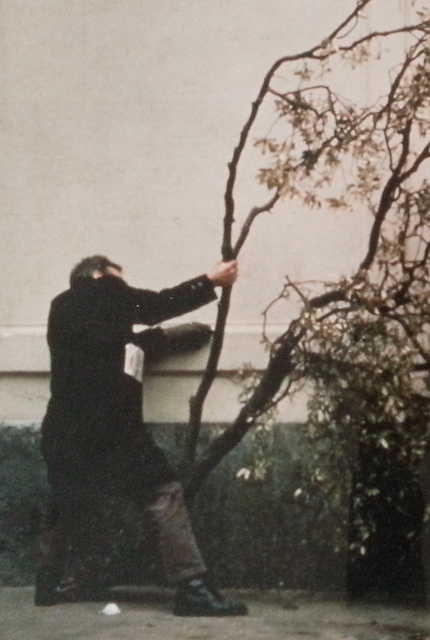
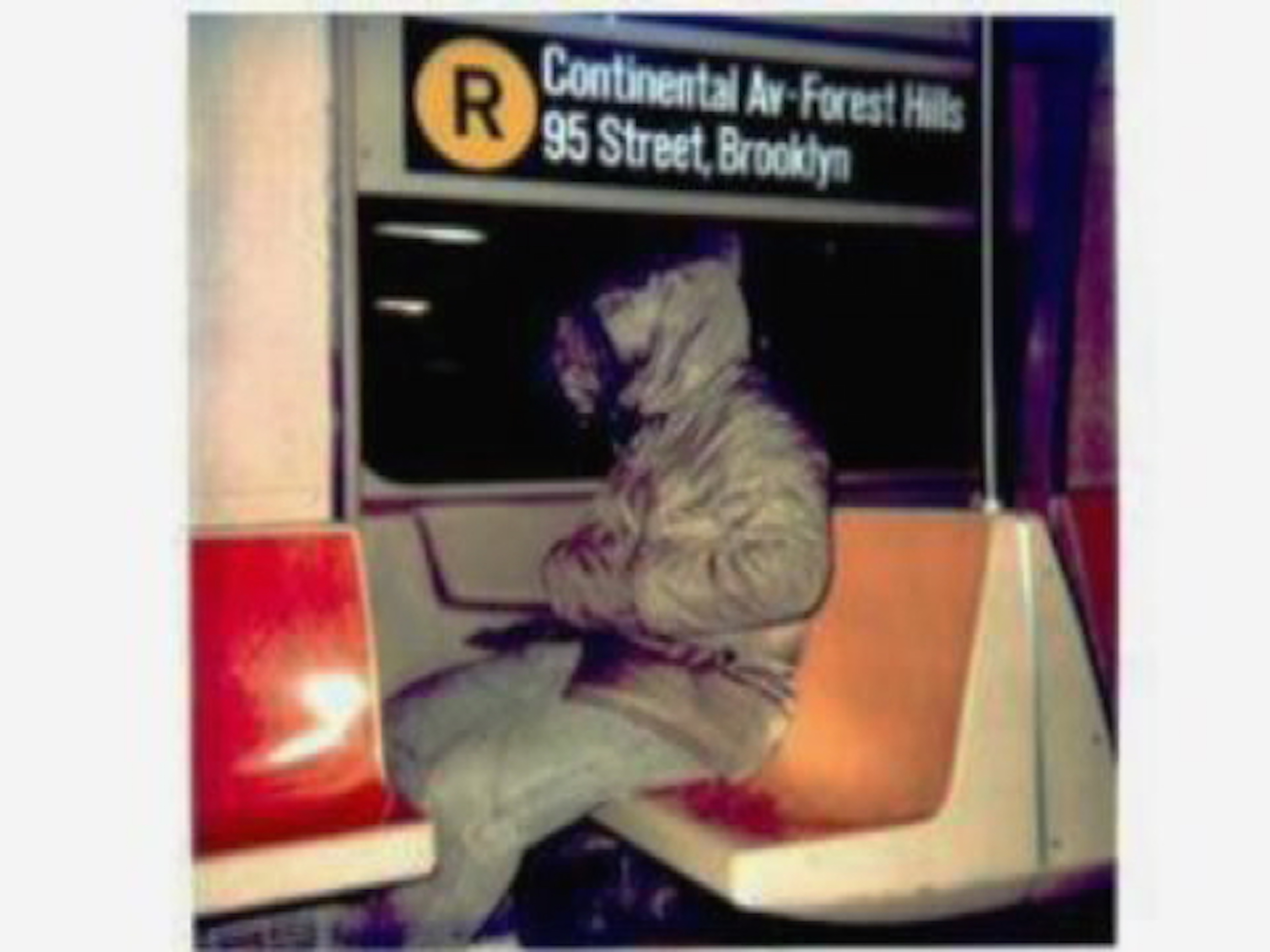
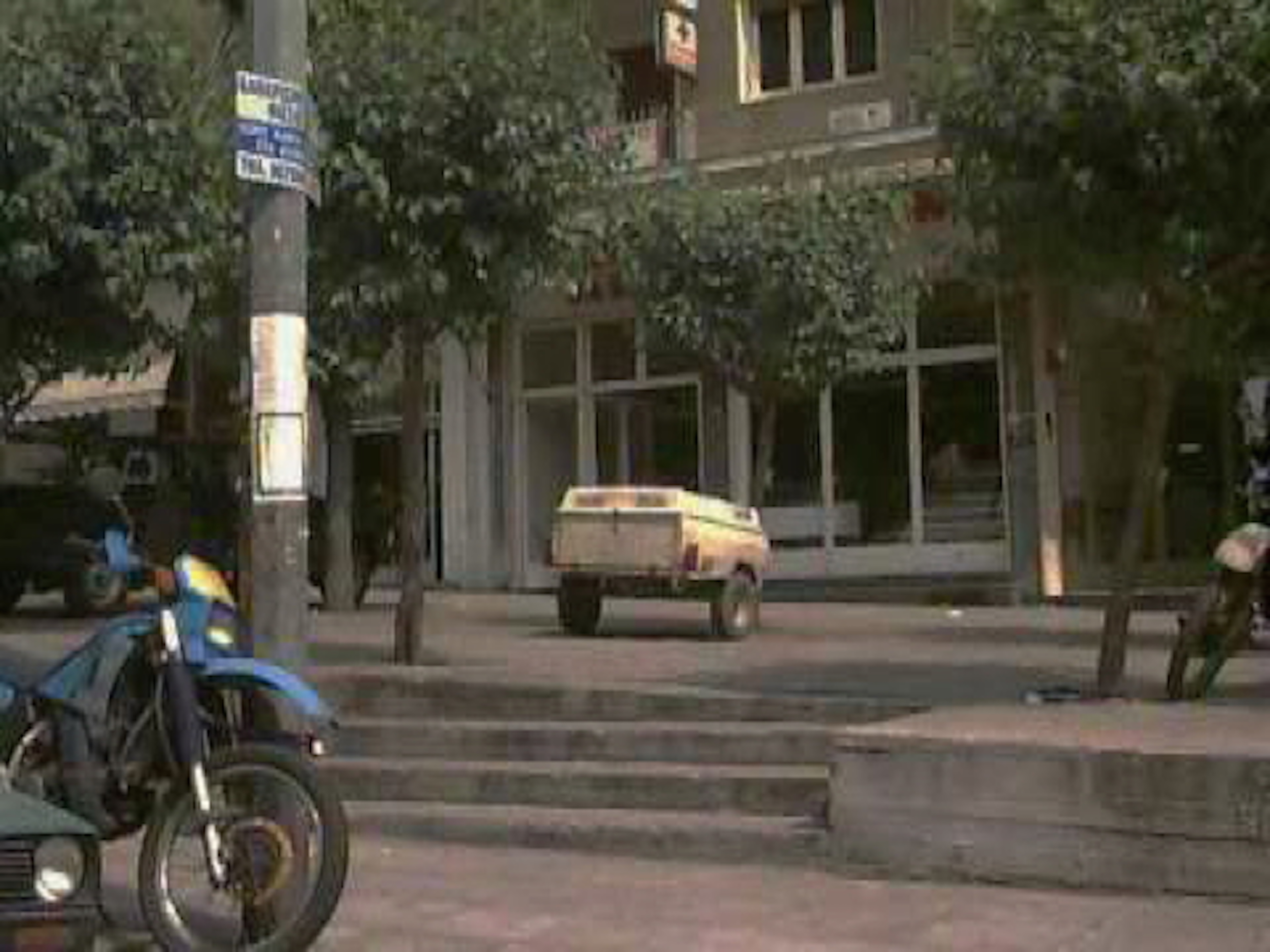
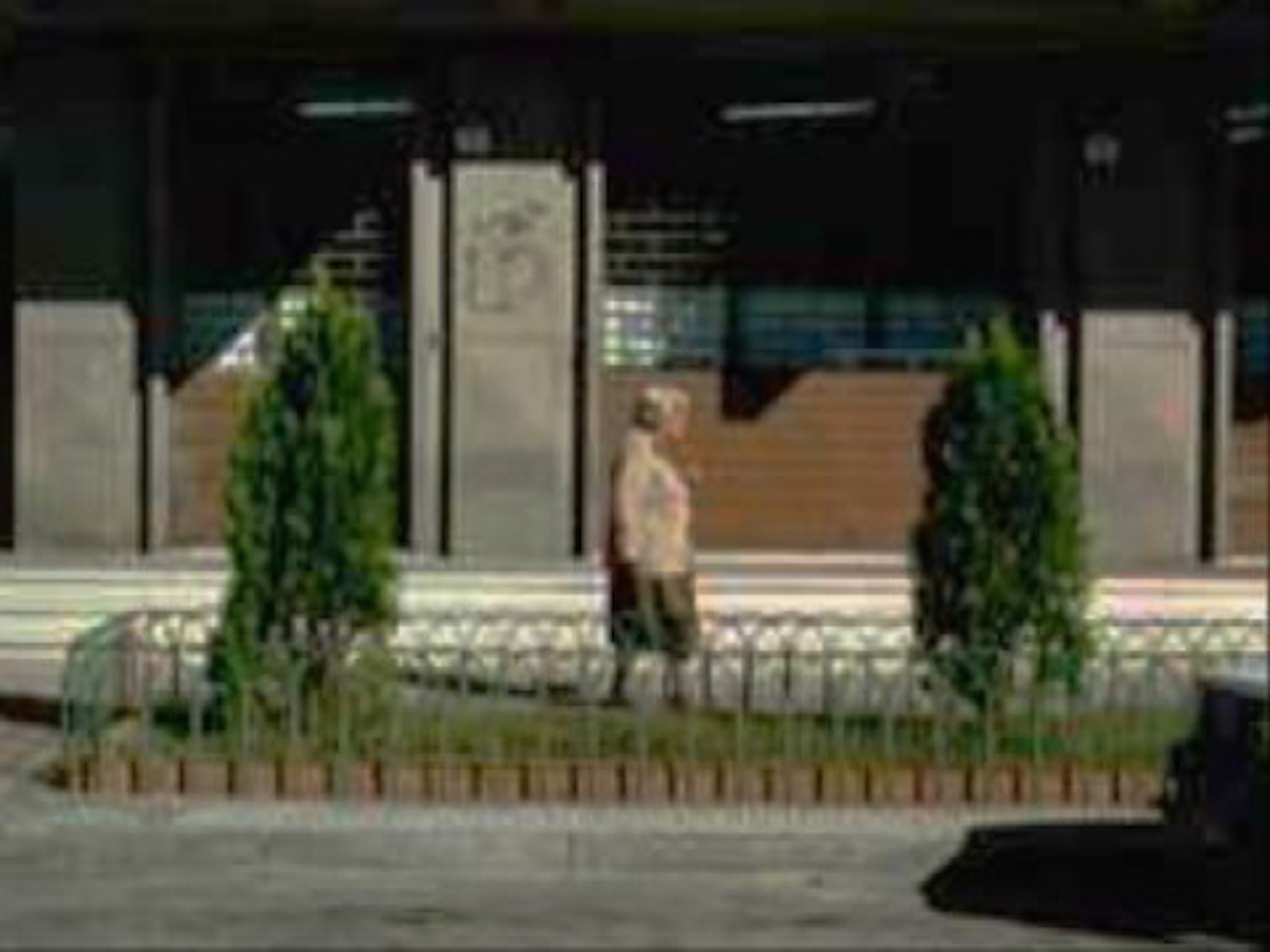
“‘As Søren Kierkegaard explains on his doctoral thesis, "The Concept of Irony with Continual Reference to Socrates" “Socrates not only used irony but was so dedicated to irony that he himself succumbed to it.” That was back then, when the world was fresh. In our days, such "insanity", not only is often performed (especially in the arts & spectacle) but more importantly, it has become an element of our environment. We find "demenza" in our cities, in Milan, Athens, Berlin (where I took some of these pictures) and sometimes we also find it in the countryside

2006-08-17 Armstrong guilty plea Page 19

5 Demenza pictures

Pokémon
BROKEN VASE

BROKEN VASES

Identity Vases

Broken Vase Installation

“I start making my "Broken Vases" more

On the highway

Large Broken Vase in Milan's highway More

Toast of New York GIF

Two Vases

» Vases of identity

more

FIRSTSHOWS
FIRST SHOWS

First Shows

class="attachment-full wp-post-image" alt="Early Days of Miltos Manetas" />
In Italy and Greece

First Solo Show

Fifteen notebooks with dots for children installed at the Cafe Pallas in Karditsa, Greece

schoolbooknotes.jpg

School books More

"Kafka Birds"

"51 Chairs..."

“In Milan, Italy”

"Psicofarmaci"

“In Milan, Italy”

Different Opinion

“In Milan, Italy”

» At 1990, I founded the Different Opinion art movement. The idea was that one could allow himself producing weird artworks, collaborating with other artists who had a "different opinion" about art than himself «

"PERFORMANCE"

“In Milan, Italy”

»From 1990, I start collecting art-people. «
»I would take a profile picture from them first, «
»then I would cut their figure on a piece of plywood and I would trace their name under it «

Elizabeth Janus, "Miltos Manetas", Frieze Magazine, Review - 05 Sep 1996

Over the past several years Miltos Manetas has experimented with a variety of media - from painting, photography, video and performance to computer-generated images - producing a body of work that is as visually diverse as it is conceptually intricate. Some of the most successful pieces include the performance/video, Satellites (1991-94), in which the artist, along with several other men, wanders around disguised as a quintessential old woman, hunched and aimless" (Elizabeth Janus) Frieze Magazine.

EARLY DAYS
EARLY DAYS

Early days

1964

» Born in Athens«

1982

» Finished artschool«
» Decided to be an artist«

1985

» Moved to Rome«
» Moved to Milan«

1986

Went to Study in Brera

“In Milan, Italy”

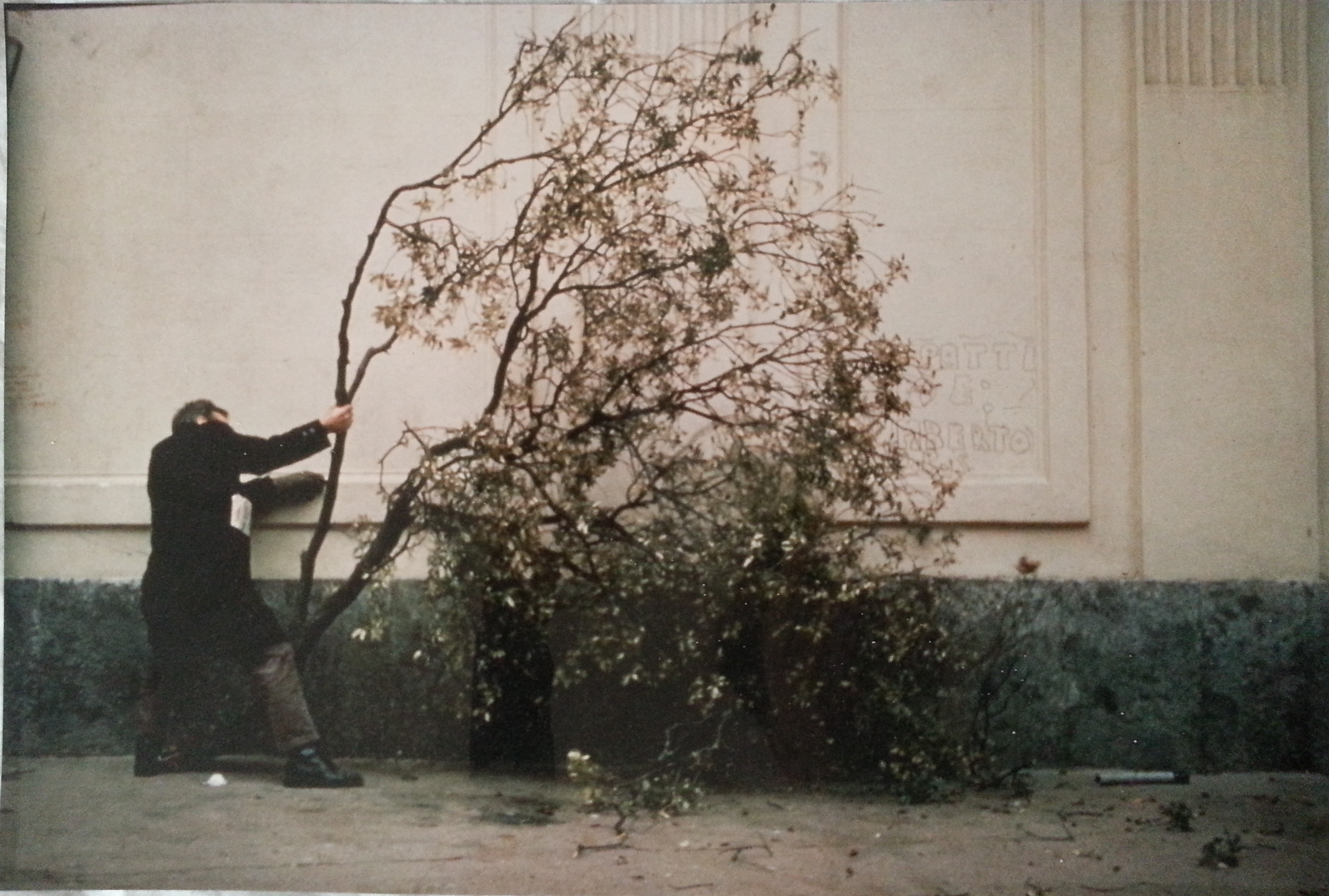
A tree

Tree in Brera more

Rome, Italy

The fist place I went after leaving Greece

Finished School